
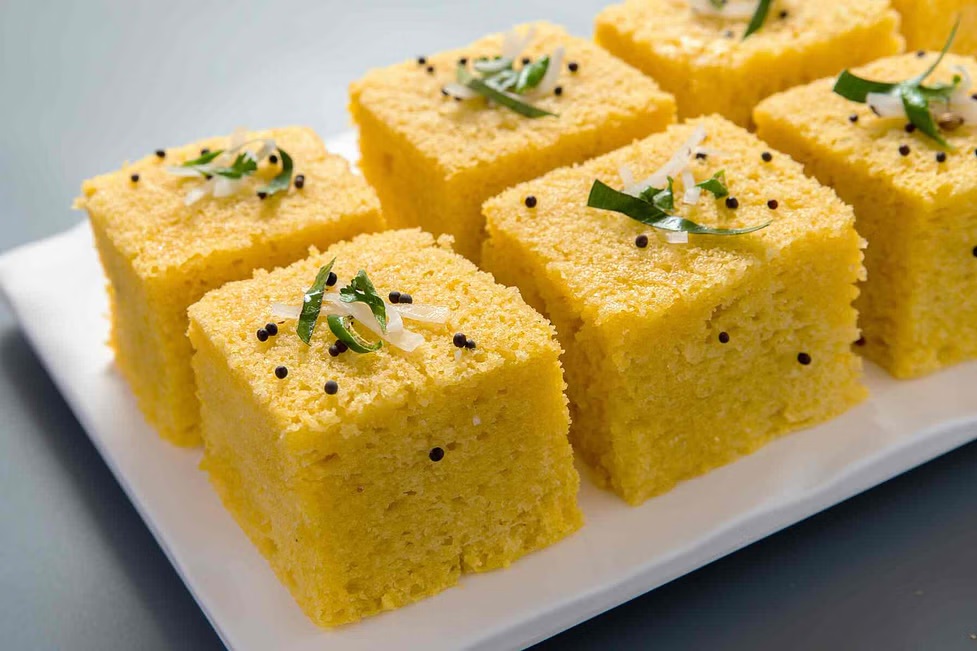

Food is much more than mere sustenance; it is a reflection of culture, tradition, and innovation. Across the globe, food tells stories of communities, preserves heritage, and sparks creativity. From the street food of Asia to fine dining in Europe, the culinary world is diverse, evolving, and constantly adapting to societal trends, health consciousness, and technological advancements.
History and Cultural Significance of Food
Food has played a central role in human civilization for millennia. Early societies relied on hunting, gathering, and agriculture, which shaped dietary habits and cultural rituals. Ancient civilizations such as the Egyptians, Greeks, and Romans not only valued food for nutrition but also celebrated it through feasts, religious ceremonies, and communal gatherings.
Cultural heritage continues to influence contemporary cuisine. Traditional recipes are passed down through generations, preserving flavors, techniques, and stories. Today, globalization allows culinary exchanges across borders, blending flavors, and introducing novel combinations that redefine local and international palates.
Global Cuisine: A Taste of Diversity
Global cuisine represents the diversity and richness of culinary traditions worldwide. Each region offers distinct flavors, ingredients, and cooking methods:
- Asian Cuisine: Known for its balance of flavors, Asian cuisine features ingredients like soy, ginger, garlic, and spices. Countries like Japan, Thailand, China, and India have developed unique culinary identities, from sushi and ramen to curries and street snacks.
- European Cuisine: Emphasizing technique, presentation, and seasonal ingredients, European cuisine spans French haute cuisine, Italian pasta and pizza traditions, Mediterranean diets, and Scandinavian innovation.
- African Cuisine: African dishes showcase bold flavors, grains, legumes, and local produce. North African tagines, West African stews, and East African grilled meats highlight regional diversity.
- American Cuisine: From the Southern barbecue to New England seafood, American cuisine blends indigenous, immigrant, and fusion influences. Street food culture, fast food, and gourmet trends coexist to reflect local diversity.
- Latin American Cuisine: Vibrant flavors define Latin American food, with staples like beans, maize, rice, and tropical fruits. Mexican, Brazilian, Peruvian, and Argentinian dishes celebrate bold seasoning, fermentation, and communal meals.
Culinary Trends Shaping Modern Food
Modern food trends are driven by consumer preferences, health consciousness, sustainability, and technology. Some of the most prominent trends include:
Plant-Based and Alternative Proteins
Rising awareness about health and environmental impact has fueled the popularity of plant-based diets. Alternative proteins like tofu, tempeh, legumes, and meat substitutes using soy, pea, or lab-grown ingredients are reshaping menus in restaurants and retail.
Functional and Health-Oriented Foods
Consumers increasingly seek foods that offer specific health benefits, such as probiotics, antioxidants, superfoods, and nutrient-dense ingredients. Smoothie bowls, fermented foods, and fortified snacks exemplify this trend.
Fusion and Cross-Cultural Cuisine
Fusion cuisine combines techniques and flavors from multiple culinary traditions. Sushi burritos, kimchi tacos, and Mediterranean-Asian dishes reflect globalization and innovative experimentation in food culture.
Sustainability and Zero Waste Cooking
Sustainable culinary practices focus on local sourcing, seasonal ingredients, and minimizing food waste. Restaurants and home cooks alike are embracing farm-to-table concepts, root-to-stem cooking, and edible packaging to reduce environmental impact.
Streamline packing operations with durable tape dispensers from Venus Packaging, designed for speed and ease of use.
Digital and Tech-Driven Food Experiences
Technology is changing how food is produced, delivered, and consumed. Apps for meal planning, online grocery delivery, smart kitchens, and automated cooking devices streamline convenience while ensuring freshness. Virtual cooking classes, food blogs, and social media influencers also shape culinary trends and knowledge sharing.
Nutritional Awareness and Food Choices
Modern consumers are more informed about nutrition than ever before. Dietary preferences and restrictions influence food innovation:
- Gluten-Free and Allergen-Friendly Options: Catering to celiac disease, allergies, or sensitivities has created a market for gluten-free grains, dairy alternatives, and allergen-free snacks.
- Organic and Locally Sourced Ingredients: Consumers prefer organic produce free from pesticides, supporting local farmers while enhancing flavor and freshness.
- Low-Sugar and Keto-Friendly Foods: Health-conscious diets focusing on sugar reduction, low-carb meals, or ketogenic principles are reflected in beverages, snacks, and meal kits.
- Balanced Macros and Portion Control: Awareness of macronutrients, calorie intake, and mindful eating influences meal composition, portioning, and dining habits.
Street Food and Culinary Tourism
Street food is a vital aspect of food culture, providing authentic experiences and accessible cuisine. Cities like Bangkok, Mexico City, Istanbul, and Mumbai are renowned for their vibrant street food scenes. Culinary tourism is growing as travelers seek to explore local flavors, attend food festivals, and participate in cooking experiences, making food an essential aspect of cultural exploration.
Food Festivals and Global Showcases
Food festivals, culinary competitions, and global showcases highlight innovation, creativity, and cultural diversity. Events like the Salon du Chocolat in Paris, Taste of London, Melbourne Food and Wine Festival, and various international chefs’ competitions provide platforms for new ideas, seasonal products, and sustainable practices to gain recognition.
Challenges in the Modern Food Industry
Despite its growth, the food industry faces challenges:
- Food Security: Ensuring access to nutritious food for all populations is a persistent global issue.
- Environmental Impact: Industrial farming, overfishing, and resource-intensive food production contribute to climate change and biodiversity loss.
- Supply Chain Disruptions: Global supply chains are vulnerable to climate events, pandemics, and geopolitical conflicts, affecting food availability and pricing.
- Health Concerns: Rising rates of obesity, diabetes, and lifestyle-related diseases challenge both consumers and the industry to prioritize nutrition and wellness.
- Cultural Preservation: Globalization risks overshadowing traditional cuisines and indigenous ingredients if not consciously preserved.
Innovations Shaping the Future of Food
The future of food is increasingly intertwined with science, technology, and sustainability:
- Lab-Grown and Cultured Meat: Alternative protein technologies promise reduced environmental impact and ethical sourcing of meat products.
- Vertical Farming and Hydroponics: Innovative agriculture solutions provide urban, sustainable, and efficient food production.
- Edible Packaging and Eco-Friendly Materials: Reducing single-use plastics and packaging waste through edible or biodegradable alternatives.
- Personalized Nutrition: AI and genomics enable diets tailored to individual health profiles, optimizing nutrition for longevity and wellness.
- Global Collaboration and Fusion Innovation: Chefs and food technologists collaborate across borders, sharing techniques, flavors, and ideas to create unique culinary experiences.
Conclusion
Food is an integral part of human experience, reflecting culture, innovation, and societal values. From traditional recipes and street food to sustainable practices and technological advancements, the culinary world is dynamic, diverse, and constantly evolving. As consumers increasingly value health, sustainability, and authenticity, the food industry continues to innovate while preserving cultural heritage, ensuring that food remains a source of connection, creativity, and enjoyment worldwide.
FAQ Section
1. How is sustainability shaping modern food trends?
Sustainability focuses on local sourcing, reducing food waste, eco-friendly packaging, and plant-based diets, influencing both restaurants and home cooking.
2. What are the most popular global cuisines today?
Asian, European, African, American, and Latin American cuisines dominate, each with distinct flavors, ingredients, and cooking techniques.
3. How is technology changing the way we consume food?
Technology enables online ordering, meal planning apps, smart kitchens, virtual cooking classes, and AI-driven personalization in food choices.
4. What are plant-based diets, and why are they growing in popularity?
Plant-based diets emphasize vegetables, legumes, grains, and alternative proteins, driven by health awareness and environmental concerns.
5. How does street food contribute to culinary tourism?
Street food offers authentic, local flavors, allowing travelers to explore culture through taste, enhancing travel experiences and economic activity.
6. What role do food festivals play in the culinary industry?
Food festivals showcase innovation, cultural heritage, new products, and sustainability practices, while connecting chefs, producers, and consumers.
7. How is nutrition influencing food production and consumption?
Consumers prioritize nutrient-rich, allergen-free, low-sugar, and balanced meals, driving product innovation and dietary awareness.
8. What future innovations will shape the food industry?
Lab-grown meat, vertical farming, personalized nutrition, edible packaging, and global fusion cuisine will define the next generation of culinary experiences.