
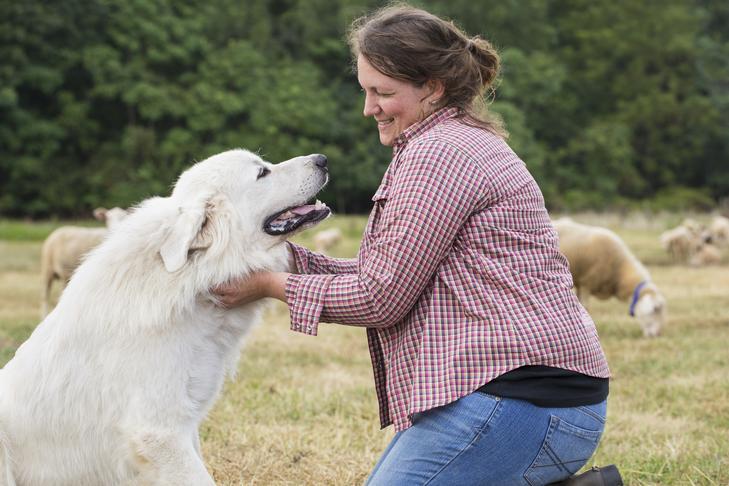

Pets have been part of human life for thousands of years, offering companionship, emotional support, and joy. From domestic dogs and cats to birds, reptiles, and small mammals, pets come in many forms and provide unique experiences for their owners. Pet ownership has grown globally, with families increasingly recognizing the physical, emotional, and social benefits of sharing their homes with animals.
The History of Pet Ownership
Pet keeping dates back to ancient civilizations. Archaeological evidence shows that humans domesticated dogs as early as 14,000 years ago, primarily for hunting and protection. Cats were revered in ancient Egypt, often associated with deities and household protection. Over time, domestication extended to birds, rabbits, fish, and other small mammals, transforming pets from utilitarian roles to beloved companions.
Throughout history, pets have been symbols of status, leisure, and affection. In modern society, they are valued for emotional support, mental health benefits, and the joy they bring to everyday life.
Popular Types of Pets
Dogs
Dogs are often referred to as “man’s best friend” due to their loyalty, intelligence, and adaptability. They offer companionship, serve as service animals, and participate in recreational activities such as agility and obedience training.
- Breeds and Traits: Dog breeds vary widely in size, temperament, and exercise needs. For example, Labrador Retrievers are friendly and energetic, while French Bulldogs are more relaxed and suited for apartment living.
- Care Needs: Dogs require daily exercise, a balanced diet, regular veterinary check-ups, grooming, and social interaction to thrive.
Cats
Cats are independent yet affectionate animals, making them ideal for owners seeking lower-maintenance pets. They are known for their playful behavior, hunting instincts, and ability to bond closely with humans.
- Breeds and Characteristics: Popular breeds include Siamese, Persian, and Maine Coon, each with unique temperaments and care requirements.
- Care Needs: Cats need a clean litter box, nutritious food, mental stimulation, and regular vet visits. They also benefit from scratching posts and interactive toys.
Birds
Birds such as parrots, canaries, and budgerigars are favored for their intelligence, vocal abilities, and colorful plumage. Some species, like parrots, can live for decades, requiring long-term commitment.
- Care Considerations: Birds need spacious cages, social interaction, a balanced diet, and mental enrichment. Many require daily out-of-cage time to prevent boredom and stress.
Small Mammals
Rabbits, guinea pigs, hamsters, and ferrets are popular small pets, particularly for families with limited space. They offer companionship and require specialized care to ensure their health and happiness.
- Habitat and Care: Small mammals need secure cages, proper bedding, clean water, and species-specific diets. They also benefit from toys, tunnels, and social interaction.
Reptiles and Amphibians
Reptiles and amphibians, including snakes, turtles, geckos, and frogs, appeal to enthusiasts interested in unique, low-allergen pets. Their care requires attention to environmental conditions such as temperature, humidity, and lighting.
- Specialized Care: Reptiles need terrariums or aquariums with controlled climates, appropriate substrate, and proper nutrition. They often require less daily interaction but can thrive with enrichment activities.
Health and Wellness Benefits of Pets
Owning a pet offers numerous physical and mental health benefits:
- Emotional Support: Pets reduce stress, anxiety, and depression by providing companionship and unconditional affection.
- Physical Activity: Dogs, in particular, encourage regular exercise through walks, play, and outdoor activities.
- Social Interaction: Pets can increase social engagement, as owners connect with other pet enthusiasts in parks, clubs, or online communities.
- Routine and Responsibility: Caring for a pet instills discipline and routine, especially beneficial for children and elderly individuals.
Training and Behavioral Management
Proper training and behavior management are crucial for harmonious pet ownership.
- Positive Reinforcement: Reward-based training encourages desired behavior in dogs and cats without punishment.
- Socialization: Early socialization helps pets adapt to different environments, people, and other animals, reducing aggression and fear.
- Behavioral Problem-Solving: Common issues such as excessive barking, scratching, or litter problems can be addressed through consistent training, environmental enrichment, and professional guidance.
Nutrition and Diet
A balanced diet is essential for pet health, growth, and longevity.
- Commercial vs. Homemade Diets: High-quality commercial pet food is formulated to meet nutritional requirements, while homemade diets should be planned with veterinary guidance.
- Specialized Diets: Pets with allergies, obesity, or specific health conditions may require specialized nutrition.
- Hydration: Fresh water must be available at all times, and proper hydration supports digestion, kidney function, and overall well-being.
Veterinary Care and Preventive Health
Regular veterinary visits ensure pets remain healthy and prevent illnesses:
- Vaccinations: Essential to protect pets from infectious diseases like rabies, parvovirus, and feline leukemia.
- Parasite Prevention: Flea, tick, and heartworm prevention are vital for pets’ comfort and health.
- Dental Care: Oral hygiene prevents gum disease, tooth loss, and systemic infections.
- Spaying/Neutering: Helps control the pet population and may reduce behavioral issues.
Trends in Pet Ownership
Modern pet ownership is influenced by lifestyle changes, technology, and societal trends:
- Pet Humanization: Owners increasingly treat pets like family members, investing in luxury products, clothing, and specialty diets.
- Adoption over Breeding: Adoption from shelters is growing in popularity, promoting animal welfare and reducing the demand for commercial breeding.
- Pet Tech: Smart feeders, GPS trackers, and health-monitoring devices allow owners to manage pet care efficiently.
- Pet-Friendly Spaces: Cafes, hotels, and workplaces are becoming more accommodating to pets, reflecting cultural acceptance and integration.
Choosing the Right Pet
Selecting a pet involves considering lifestyle, space, time commitment, and personal preferences:
- Lifestyle Compatibility: Active individuals may prefer dogs requiring outdoor activities, while apartment dwellers might benefit from cats or small mammals.
- Long-Term Commitment: Some pets, like parrots or turtles, live for decades, requiring long-term planning.
- Allergies and Health Considerations: Assessing family allergies and accessibility to veterinary care is essential.
- Financial Responsibility: Veterinary care, food, grooming, and accessories can represent a significant ongoing cost.
Conclusion
Pets enrich human lives through companionship, love, and emotional support. From dogs and cats to birds, reptiles, and small mammals, each species brings unique benefits and challenges. Successful pet ownership requires commitment, knowledge, and empathy, ensuring animals thrive physically, mentally, and emotionally. Modern trends such as adoption, pet humanization, and technological innovations continue to redefine how humans interact with and care for their animal companions. Ultimately, pets are not just animals; they are family members, teachers of responsibility, and sources of unwavering joy.
FAQ Section
1. What are the most popular pets worldwide?
Dogs and cats are the most popular, followed by birds, small mammals, and reptiles, depending on region and lifestyle preferences.
2. How can I ensure my pet stays healthy?
Regular veterinary visits, balanced nutrition, preventive care, exercise, and mental enrichment are key to pet health.
3. What should I consider before adopting a pet?
Consider lifestyle compatibility, long-term commitment, allergies, space, time availability, and financial responsibility.
4. How does pet ownership benefit mental health?
Pets reduce stress, anxiety, and depression, provide emotional support, and encourage social interaction and routine.
5. What are common challenges in pet ownership?
Behavioral issues, dietary needs, veterinary costs, and time commitments are common challenges that require planning and training.
6. Are there modern technologies for pet care?
Yes, smart feeders, GPS trackers, health-monitoring devices, and interactive toys enhance pet care and owner convenience.
7. Why is pet adoption encouraged over buying from breeders?
Adoption supports animal welfare, reduces overpopulation in shelters, and often provides loving, previously-homed pets with a second chance.
8. How can I train my pet effectively?
Positive reinforcement, socialization, consistency, and professional guidance for specific behavioral issues are recommended for effective training.