

The auto industry is evolving at an unprecedented pace, driven by technological advancements, changing consumer preferences, and growing environmental concerns. From traditional internal combustion engines to electric vehicles and autonomous driving, the automotive landscape has transformed significantly over the past decade. This article explores the world of autos in depth, covering industry evolution, market segments, innovations, consumer insights, operational challenges, and future prospects.
Evolution of the Auto Industry
The auto industry has come a long way since the invention of the first automobile in the late 19th century. Initially dominated by combustion-engine vehicles, the sector has expanded to include electric, hybrid, and hydrogen-powered cars. Global demand for automobiles has increased steadily, driven by urbanisation, infrastructure development, and rising disposable incomes.
Environmental awareness has played a major role in reshaping the industry. Governments across the world have introduced stricter emission norms, encouraging manufacturers to invest heavily in cleaner technologies. Sustainability is now a central factor influencing vehicle design, manufacturing processes, and long-term business strategies.
Key Segments in the Auto Market
The automotive market is diverse and consists of several core segments:
- Passenger Vehicles: Sedans, hatchbacks, SUVs, and luxury cars used primarily for personal transportation.
- Commercial Vehicles: Trucks, buses, and vans designed for goods movement and public transport.
- Electric Vehicles (EVs): Battery-powered vehicles offering lower operating costs and zero tailpipe emissions.
- Hybrid Vehicles: Vehicles combining fuel engines with electric motors to improve efficiency.
- Autonomous Vehicles: Self-driving technologies focused on improving safety and convenience.
Innovations Driving the Auto Industry
Innovation remains the backbone of automotive progress, with breakthroughs occurring across multiple areas.
Electric Mobility
Electric vehicles are reshaping the global auto market. Advancements in battery technology, charging infrastructure, and energy efficiency have improved driving range and performance. Government incentives and growing environmental awareness continue to accelerate EV adoption.
Autonomous Driving
Autonomous driving systems rely on artificial intelligence, sensors, and data processing to reduce reliance on human drivers. While fully autonomous vehicles are still under development, features such as adaptive cruise control, lane-keeping assistance, and emergency braking are now common.
Connected Vehicles
Connected car technology enables vehicles to communicate with drivers, infrastructure, and service providers in real time. Features such as navigation updates, predictive maintenance alerts, and remote vehicle management have become standard in modern automobiles.
Advanced Safety Systems
Safety technology has advanced significantly in recent years. Modern vehicles are equipped with collision detection, blind-spot monitoring, pedestrian alerts, and automated braking systems, all of which contribute to reducing road accidents.
Sustainable Materials and Manufacturing
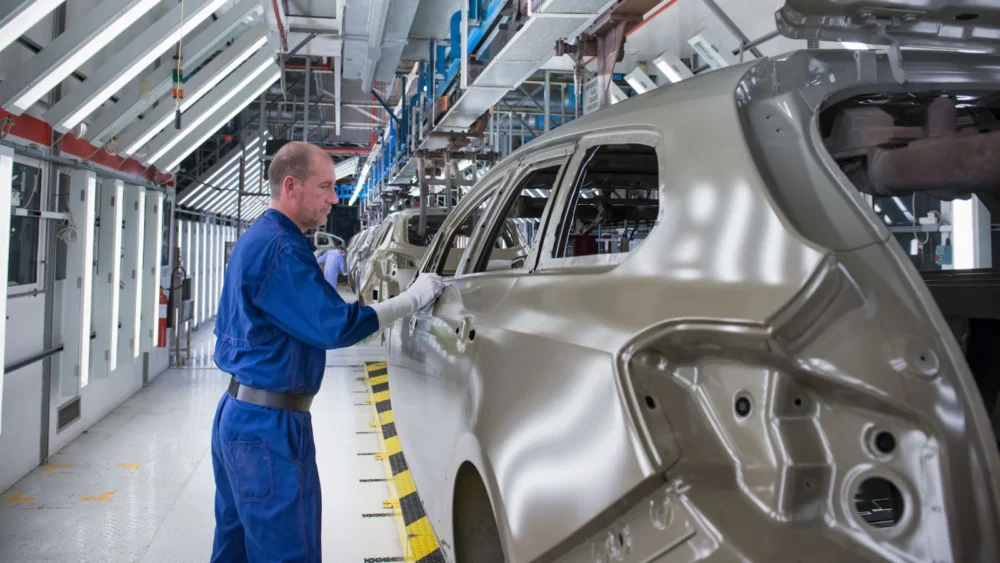
Manufacturers are increasingly using recycled materials, lightweight alloys, and bio-based components to minimise environmental impact. Automation, robotics, and efficient production methods have helped improve consistency while reducing waste.
Beyond vehicle production, the wider automotive ecosystem depends on robust industrial support systems. From factory upgrades to logistics hubs and port facilities, safe handling of heavy equipment is essential. Membrey’s offers dependable crawler crane hire Melbourne solutions for business owners managing heavy lifts on challenging or uneven terrain.
Buying a Car: Tips for Consumers
With so many options available, purchasing a car requires careful evaluation. Consumers should consider the following factors before making a decision:
- Identify Usage Needs: Daily commuting, long-distance travel, or family requirements.
- Set a Realistic Budget: Include ownership costs such as servicing, insurance, and fuel.
- Compare Fuel Options: Petrol, diesel, hybrid, and electric vehicles each have distinct advantages.
- Test Drive Thoroughly: Comfort, visibility, handling, and braking should be assessed.
- Check Safety Ratings: Independent crash-test results provide valuable insight.
- Consider Resale Value: Brands with strong resale demand offer better long-term value.
Trends Shaping the Auto Industry
Electrification
Electric mobility continues to expand rapidly as charging networks grow and battery costs decline. Many governments have announced long-term plans to phase out internal combustion engines.
Digital Retailing
Digital platforms now allow consumers to research, configure, and purchase vehicles online. Virtual showrooms and AI-powered customer support tools are transforming the buying experience.
Mobility as a Service
Ride-sharing, vehicle subscriptions, and short-term rentals are changing how people access transportation, particularly in urban environments.
Green Manufacturing
Sustainable production practices are becoming standard, with manufacturers adopting renewable energy sources and low-emission facilities.
AI and Data Analytics
Artificial intelligence enables predictive maintenance, performance optimisation, and personalised driver experiences.
Challenges in the Auto Sector
Despite innovation, the industry faces several operational and strategic challenges:
- Regulatory Pressure: Meeting regional emission and safety standards requires constant adaptation.
- Supply Chain Volatility: Semiconductor shortages and logistics disruptions impact production schedules.
- Rising Development Costs: EV and autonomous technologies demand significant investment.
- Consumer Adoption: Infrastructure availability and trust remain barriers to rapid adoption.
Future Prospects of the Auto Industry
The automotive industry is set for continued transformation:
- Mass EV Adoption: Electric vehicles are expected to dominate global markets in the coming decades.
- Autonomous Transport: Self-driving systems may reshape logistics, delivery, and urban mobility.
- Integrated Mobility Networks: Vehicles will connect with smart cities and energy systems.
- Sustainable Innovation: Hydrogen fuel cells and next-generation materials may redefine vehicle design.
Auto Maintenance: Tips for Longevity
Proper maintenance improves vehicle performance and lifespan:
- Routine Servicing: Follow manufacturer service schedules.
- Tire Management: Maintain correct pressure and alignment.
- Battery Care: Monitor battery health, especially in EVs and hybrids.
- Exterior Protection: Regular cleaning helps prevent corrosion.
- Early Issue Detection: Address warning signs promptly.
Conclusion
The auto industry is undergoing one of the most significant transformations in its history. Innovation, sustainability, and digital integration continue to redefine how vehicles are built, sold, and used. As technology evolves and mobility needs change, the industry remains central to economic growth and modern living.
FAQ Section
1. What is the difference between electric and hybrid vehicles?
Electric vehicles operate solely on batteries, while hybrids combine an engine with electric assistance.
2. Are autonomous vehicles safe?
Advanced driver-assistance systems reduce accidents, although full autonomy is still developing.
3. How long do EV batteries last?
Most EV batteries last between 8 to 10 years, depending on usage.
4. What impacts resale value?
Mileage, condition, brand reputation, and maintenance history.
5. How can fuel efficiency be improved?
Proper servicing, smooth driving habits, and correct tyre pressure.
6. What safety features should buyers prioritise?
Emergency braking, lane assist, blind-spot monitoring, and airbags.
7. Are EVs cost-effective long term?
Lower fuel and maintenance costs often offset higher upfront prices.
8. How is the industry reducing environmental impact?
Through electrification, sustainable materials, and cleaner manufacturing.
9. What is the future of mobility services?
Integrated platforms offering flexible, on-demand transportation options.