
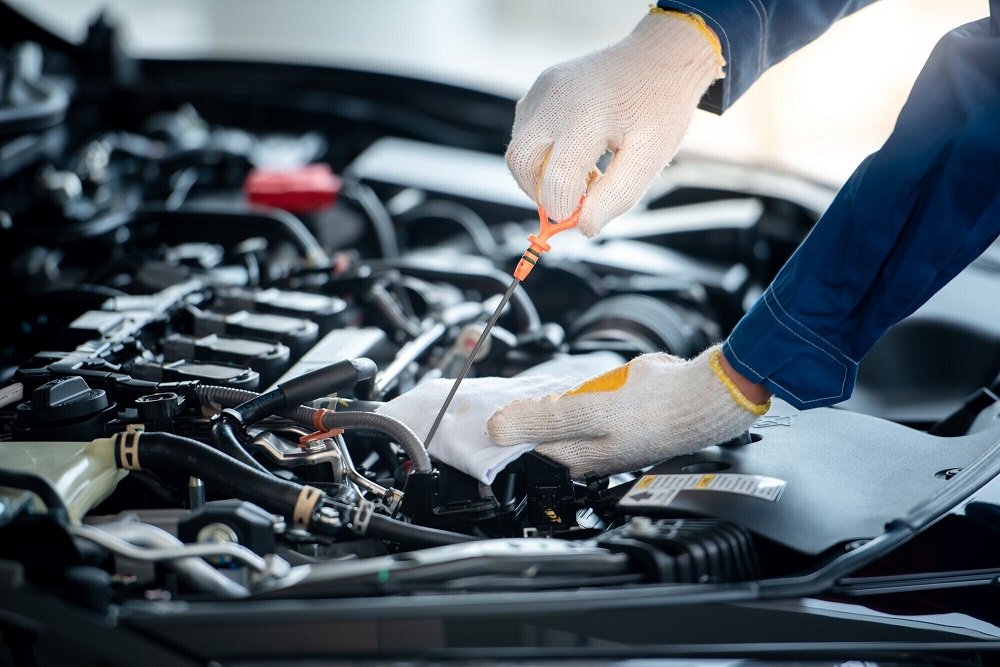

A vehicle is one of the most substantial financial investments most people will ever make. Beyond the initial purchase price, owning a car comes with the ongoing responsibility of keeping it safe, efficient, and dependable. While modern online video tutorials and retail auto parts stores make DIY maintenance appear simple, modern automobiles are far from simple machines. Today’s cars, trucks, and SUVs are intricate networks of mechanical systems, onboard computers, complex wiring, and precision sensors.
Attempting to resolve modern vehicle issues without specialized training and proper tooling often results in incorrect fixes, wasted money, and compromised safety. Entrusting your vehicle to a certified, professional auto repair facility ensures that repairs are performed properly, safely, and in accordance with manufacturer specifications.
Advanced Diagnostic Capabilities and Technical Accuracy
The days of diagnosing vehicle troubles strictly by ear or smell are long gone. While mechanical intuition remains a vital trait of seasoned mechanics, modern vehicles rely on intricate electronic control units (ECUs) to manage everything from fuel injection timing to lane-departure warnings.
Professional auto repair facilities invest thousands of dollars into state-of-the-art diagnostic equipment. These computerized scan tools interface directly with your vehicle’s internal computers to extract live data streams, manufacturer-specific trouble codes, and electrical circuit performance metrics.
- Pinpoint Issue Detection: Professional diagnostic tools go far beyond basic code readers available at local retail stores. They enable technicians to pinpoint the root cause of a malfunction rather than merely identifying a symptom.
- Elimination of Guesswork: Guessing which component has failed leads to unnecessary parts replacement. Professional diagnosis saves money by ensuring only the malfunctioning part is repaired or replaced.
- Complex System Integration: Modern safety features such as Adaptive Cruise Control, Automatic Emergency Braking, and Electronic Stability Control require precision calibration tools after standard mechanical repairs or wheel alignments.
Certified Expertise and Continuous Training
When you bring your vehicle to a reputable auto repair shop, you place your investment in the hands of technicians who have dedicated years to learning the trade. Automotive technology evolves continuously, and professional mechanics undergo routine training to stay updated on the latest engineering changes, hybrid drivetrains, and electric vehicle battery architectures.
Industry certifications, such as those provided by the National Institute for Automotive Service Excellence (ASE), validate that a technician possesses rigorous knowledge across multiple automotive disciplines, including engine repair, electrical systems, heating and air conditioning, steering, and braking systems.
- Familiarity with Common Failure Patterns: Experienced technicians service hundreds of vehicles every month, allowing them to instantly recognize model-specific service bulletins, recall notices, and common failure points across different automotive brands.
- Proper Disassembly and Assembly Procedures: Certified technicians understand exact torque specifications, fastener replacement requirements, and proper component clearances, preventing stripped threads, loose bolts, and premature component wear.
- Safety Protocol Adherence: High-voltage hybrid systems, pressurized fuel lines, and coiled suspension springs pose genuine physical hazards. Professionals possess the specialized equipment and safety gear required to handle these components without injury.
Access to Professional Tools and Dedicated Equipment
A significant hurdle for home mechanics is the sheer number of specialized tools required to perform even standard automotive maintenance. A basic socket set and floor jack are no longer sufficient to address deep engine work, transmission servicing, or suspension overhauls.
Professional repair shops maintain heavy-duty equipment that provides safe access and precise repair capability:
- Hydraulic Vehicle Lifts: Multi-ton lifts allow mechanics to walk underneath the entire undercarriage of a vehicle, inspect suspension linkages, exhaust routing, and fluid lines thoroughly, and work with full leverage and visual clarity.
- Specialized Pullers and Press Equipment: Removing press-fit wheel bearings, stubborn ball joints, or delicate engine pulleys requires hydraulic shop presses and specific puller tools that prevent damage to adjacent components.
- Fluid Exchange Machines: Professional fluid flush machines exchange automatic transmission fluid, power steering fluid, and coolant under controlled pressure, ensuring contaminants are completely evacuated without introducing air into closed hydraulic circuits.
Quality Parts and Robust Warranty Protection
One of the most compelling advantages of working with an established professional repair center is the quality of replacement parts used and the peace of mind offered by written warranties.
Professional repair facilities maintain direct supply relationships with original equipment manufacturers (OEM) and premium aftermarket parts suppliers. This ensures that every replacement component matches or exceeds the exact engineering dimensions, material standards, and thermal tolerances of the original parts installed at the factory.
Furthermore, professional repair work is backed by warranties covering both parts and labor. If a replaced alternator, water pump, or brake caliper fails prematurely due to a manufacturing defect, the repair shop handles the replacement at no additional charge. For DIY mechanics, parts stores might replace a broken part under warranty, but the hours of labor spent performing the replacement must be done all over again without compensation.
Preservation of Vehicle Resale Value and Warranty Compliance
Routine maintenance performed by a professional shop plays a major role in preserving your car’s market value. When it comes time to trade in or sell your vehicle privately, potential buyers and dealerships look closely at the vehicle history report.
- Documented Maintenance History: Professional shops automatically report service records, oil changes, brake jobs, and major mileage services to national databases such as CARFAX. A clean, verified paper trail proves the vehicle was cared for meticulously, commanding a higher resale value.
- Preserving Factory Warranties: If your vehicle is still covered under a new-car bumper-to-bumper or powertrain warranty, maintaining proof of professional maintenance is essential. If an engine component fails under warranty, manufacturers may request verifiable repair orders to prove that neglect or incorrect fluids were not the cause of the failure.
Superior Efficiency and Convenience
Repairing a vehicle at home often turns into a weekend-long project filled with unexpected trips to the auto parts store, rounded-off bolts, and physical frustration. Professional repair shops are built entirely around workflow efficiency.
With multiple service bays, dedicated parts delivery networks, and specialized technicians working concurrently, professional shops can complete comprehensive brake overhauls, timing belt replacements, or cooling system repairs in a single business day. Many shops offer customer conveniences such as complimentary shuttle services, loaner vehicles, comfortable waiting lounges with internet access, and digital inspection reports sent directly to your smartphone.
Prevention of Costly Secondary Damage
Automotive systems do not operate in isolation. A failure in one component frequently triggers a cascading failure across interconnected systems if left unaddressed.
For instance, driving with a misfiring engine allows unburnt gasoline to enter the exhaust stream, which quickly melts the internal ceramic elements of an expensive catalytic converter. Worn-out shock absorbers cause tires to cup and wear out prematurely, leading to early tire replacement and increased stress on wheel bearings. Professional technicians inspect the overall health of the vehicle during routine repairs, catching small leaks, worn bushings, and fraying belts long before they snowball into catastrophic repair bills.
Frequently Asked Questions
How often should an automobile undergo a multi-point professional inspection?
Most automotive manufacturers recommend having a vehicle professionally inspected during every scheduled oil change, typically every 5,000 to 7,500 miles. A comprehensive inspection should also be scheduled before embarking on long road trips or ahead of seasonal weather shifts in the spring and winter.
What is the difference between OEM parts and aftermarket parts?
Original Equipment Manufacturer (OEM) parts are manufactured directly by the automaker or by the exact supplier contracted to build the vehicle at the factory, ensuring exact fit and function. Aftermarket parts are produced by independent companies and can vary in quality, with some matching OEM standards and others engineered as budget-friendly alternatives.
Will having an independent repair shop service a car void the factory warranty?
No, according to the Magnuson-Moss Warranty Act in the United States, vehicle manufacturers cannot void a warranty simply because service was performed at an independent shop rather than a dealership. As long as the maintenance schedule is followed and receipts are kept, the factory warranty remains fully intact.
How can a driver identify when their vehicle alignment is out of specification?
Common indicators of misaligned wheels include the vehicle drifting or pulling to one side on a flat road, an off-center steering wheel when driving straight, persistent vibrations in the steering column, and rapid or uneven tread wear across the edges of the tires.
Why is brake fluid flushing necessary if the fluid level is not low?
Brake fluid is hygroscopic, meaning it naturally absorbs moisture from the atmosphere over time. This trapped moisture lowers the fluid boiling point, leading to a spongy brake pedal feel under heavy braking, while simultaneously corroding the internal steel and rubber components of the master cylinder, brake calipers, and ABS control modules.
What should a car owner look for when selecting a reliable auto repair facility?
Key traits of a reputable shop include active ASE certifications for their technicians, positive customer reviews across multiple independent platforms, clean and organized service bays, transparent pricing with itemized written estimates before work begins, and a solid nationwide warranty on parts and labor.
Why do some check engine lights blink while others remain steadily illuminated?
A steady check engine light indicates an emissions or sensor problem that requires diagnosis soon, but the vehicle remains safe to drive moderate distances. A blinking check engine light indicates an active, severe engine misfire that is dumping raw fuel into the exhaust, creating an immediate fire hazard and destroying the catalytic converter; the vehicle should be pulled over and shut down immediately.