
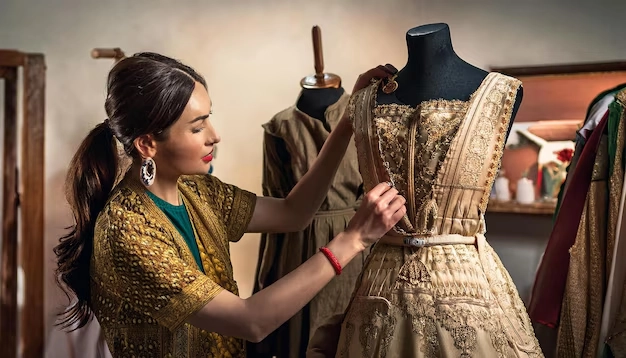

Fashion is far more than just clothing; it is a reflection of culture, identity, and personal expression. Over the decades, fashion has evolved from traditional attire to a global industry that blends art, commerce, and technology. The modern fashion industry encompasses haute couture, streetwear, digital fashion, and sustainable design, making it a complex ecosystem that constantly adapts to consumer preferences, societal changes, and technological innovations.
History and Evolution of Fashion
Fashion has a rich and diverse history that spans centuries. From the elaborate garments of ancient civilizations to the tailored elegance of European aristocracy, clothing has always signified status, identity, and cultural values. The industrial revolution introduced mass production, making fashion accessible to the middle class, while the 20th century saw the rise of iconic designers, ready-to-wear collections, and fashion magazines that influenced global trends.
The late 20th and early 21st centuries marked the digital era, where social media, e-commerce, and fast fashion changed how consumers discover, purchase, and interact with fashion. Fashion is now not just about garments; it is a lifestyle, an experience, and a statement.
Key Segments in the Fashion Industry
The fashion industry is multifaceted, with several segments catering to different audiences and purposes:
- Haute Couture: Exclusive, custom-fitted designs that showcase craftsmanship and artistic vision, often seen on runways in Paris and Milan.
- Ready-to-Wear: Mass-produced collections that balance creativity with accessibility, providing seasonal trends for everyday consumers.
- Streetwear: Casual and urban styles influenced by music, sports, and youth culture, often blending luxury with subcultural aesthetics.
- Fast Fashion: Affordable, trend-driven clothing designed for quick production and consumption, making fashion accessible to a broader audience.
- Sustainable Fashion: Focused on eco-friendly materials, ethical production, and reducing environmental impact, gaining significant importance in recent years.
- Digital and Virtual Fashion: Innovations include 3D-printed clothing, virtual try-ons, and fashion in digital spaces such as gaming and the metaverse.
Influence of Technology on Fashion
Technology has transformed fashion at every level, from design to marketing and retail:
Digital Design Tools
Modern designers use software like Adobe Illustrator, CLO3D, and 3D modeling platforms to create, visualize, and adjust designs digitally. This reduces material waste and accelerates the design process.
E-Commerce and Online Retail
Online shopping platforms have revolutionized how consumers access fashion. Brands leverage AI-driven recommendations, virtual fitting rooms, and mobile apps to enhance the shopping experience, making fashion more personalized and accessible worldwide.
Social Media and Influencer Marketing
Social media platforms like Instagram, TikTok, and Pinterest are central to trend dissemination. Influencers and content creators shape consumer perceptions, promote brands, and introduce new styles rapidly.
Virtual and Augmented Reality
AR and VR technologies allow consumers to try on clothes virtually, explore virtual fashion shows, and experience immersive brand interactions. This innovation bridges the gap between physical and digital retail.
Fashion Trends and Global Influence
Fashion trends are shaped by culture, history, and social movements, and they evolve rapidly in a globally connected world. Key trends include:
Sustainability and Ethical Fashion
Consumers increasingly demand transparency in production practices. Sustainable fashion emphasizes organic materials, recycling, minimal environmental impact, and ethical labor practices, influencing mainstream brands and independent designers alike.
Gender-Neutral and Inclusive Fashion
Modern fashion increasingly embraces inclusivity, breaking traditional gender norms. Clothing lines designed for all body types, gender-neutral collections, and adaptive fashion for differently-abled individuals are gaining popularity.
Retro and Vintage Revival
Nostalgia-driven fashion cycles bring back trends from previous decades, often reimagined with modern fabrics and styling. Vintage and thrift shopping also contribute to sustainability by promoting reuse.
Digital Fashion and Metaverse Trends
Virtual fashion allows consumers to purchase digital garments for avatars or social media content. Designers create NFT-based fashion collections, merging technology, art, and commerce in unprecedented ways.
Fashion Weeks and Global Showcases
Fashion weeks in major cities like Paris, Milan, New York, and London serve as platforms for designers to showcase new collections, set trends, and attract international media attention. These events influence retail strategies, consumer demand, and digital engagement, while emerging fashion capitals in Asia, Africa, and South America are gaining recognition for unique cultural expressions.
Streetwear and Pop Culture Influence
Streetwear has become a dominant force in fashion, blending comfort, culture, and identity. It draws inspiration from music, sports, and youth subcultures. Collaborations between streetwear brands and luxury houses have further elevated its global appeal, demonstrating the fluid boundaries between casual wear and high fashion.
Challenges Facing the Fashion Industry
Despite its growth, the fashion industry faces challenges that require attention:
- Environmental Impact: Fast fashion and mass production contribute significantly to pollution, waste, and carbon emissions.
- Labor Practices: Ethical concerns around sweatshops and labor exploitation persist in certain regions.
- Trend Saturation: Rapidly changing trends lead to overproduction and pressure on consumers to keep up with constant new releases.
- Digital Piracy: Unauthorized copying of designs and counterfeiting affect brand revenues and intellectual property rights.
- Consumer Awareness: Increasing demand for transparency and sustainable practices challenges brands to align ethics with profit motives.
Future of Fashion
The future of fashion will be shaped by sustainability, innovation, and consumer engagement:
- Eco-Friendly Materials: Biodegradable fabrics, recycled textiles, and sustainable production methods will define the next generation of fashion.
- Customization and Personalization: Advances in digital printing and AI will allow personalized designs and made-to-order fashion at scale.
- Integration with Technology: Smart fabrics, wearable tech, and augmented reality will enhance functionality and experience.
- Global Collaboration: Cross-cultural influences and collaborative collections will continue to diversify styles and promote global inclusivity.
- Digital-First Fashion: Virtual fashion shows, NFT clothing, and metaverse wardrobes will redefine how fashion is showcased and consumed.
Conclusion
Fashion is a dynamic and evolving industry that mirrors society, culture, and technological innovation. From haute couture to streetwear, sustainable initiatives to virtual fashion, the industry offers endless opportunities for creativity, self-expression, and global connection. As fashion adapts to consumer values, environmental concerns, and digital transformation, it will continue to shape personal identity and cultural trends worldwide.
FAQ Section
1. How has technology influenced modern fashion?
Technology has revolutionized design, production, marketing, and retail. Tools like 3D modeling, AI-driven recommendations, AR/VR try-ons, and digital fashion platforms enhance creativity, personalization, and consumer engagement.
2. What is sustainable fashion, and why is it important?
Sustainable fashion focuses on environmentally friendly materials, ethical labor practices, and reducing waste. It is crucial to mitigate the negative environmental impact of mass production and fast fashion.
3. How do social media and influencers impact fashion trends?
Social media platforms allow influencers and content creators to shape trends rapidly. Viral content and collaborations influence consumer behavior and brand strategies worldwide.
4. What are some emerging trends in fashion?
Key trends include sustainable clothing, gender-neutral designs, retro and vintage revival, digital fashion, and interactive consumer experiences.
5. How does streetwear influence the global fashion industry?
Streetwear blends urban culture with style, influencing mainstream fashion, luxury collaborations, and global consumer preferences, making casual and cultural expression central to contemporary fashion.
6. What challenges does the fashion industry face?
The industry faces environmental concerns, labor issues, overproduction, trend saturation, digital piracy, and the need for greater transparency and ethical practices.
7. How is digital fashion shaping the future of style?
Digital fashion allows for virtual clothing, NFT collections, and metaverse wardrobes, redefining how consumers engage with fashion in digital and hybrid spaces.
8. What role do fashion weeks play in the industry?
Fashion weeks showcase new collections, set seasonal trends, attract media coverage, and influence global consumer demand while highlighting emerging talent and innovation.